
American leader President Trump has disclosed agreements designed to reduce the expense of popular weight-loss drugs, as drug prices take center stage in his administration's narrative about affordability.
Important Arrangements with Drug Firms
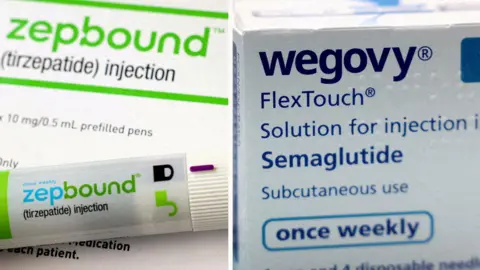
Making remarks with pharmaceutical officials at the White House, Trump revealed agreements with Eli Lilly and Novo Nordisk. Patients are set to pay between $245 and $350 per month for weight-loss drugs like Wegovy and Zepbound.
Many glucagon-like peptide-1 medications, employed against type 2 diabetes and obesity, cost exceeding $1,000 a month lacking coverage or discounts.
Expanded Access to Government Healthcare Programs
The agreements will enhance Eli Lilly's and the manufacturer's availability to the federal health program and Medicaid, the government's health plans for older and economically disadvantaged Americans.
Eli Lilly additionally stated in a release it would avoid taxes for 36 months as a component of the arrangement with the federal government.
Pricing Details
An estimated 10% of Medicare recipients will be able for expanded access to GLP-1 drugs, and will have to pay only $50, per high-ranking government representatives.
Individuals covered by Medicaid will see a rolling start date based on when state governments agree to join.
TrumpRx Portal Roll-out
The weight-loss drugs will be available at discounted rates on the consumer-direct government-run website, a federally operated site set to debut by the start of the year.
On TrumpRx, Novo Nordisk's drug and Zepbound will be priced initially at $350 per month on average, and decrease to $250 in two years. The Medicare rates of Ozempic, the weight-loss medication, Mounjaro, and the obesity drug will be $245.
More Medication Alternatives
Besides Novo Nordisk's weight-loss injection, the pharmaceutical firm's weight-loss pill, the experimental drug, will be offered for $149 for the minimum dosage, the manufacturer said in a announcement. The firm's weight-loss medication will be priced at $299 for a beginner amount.
Those rates are dependent on regulatory agency clearance of the drugs.
Coverage Issues
Glucagon-like peptide-1 medications are frequently not covered by health plans. Federal law forbids the federal program from covering the drugs when used for obesity treatment, while they typically are included when used to treat diabetes and cardiovascular disease. Only a dozen state governments provide reimbursement under Medicaid for weight loss objectives.
Medical Secretary's Statement
Health Secretary Robert F Kennedy Jr, addressing reporters at the White House, stated the agreements were results of months of talks with the pharmaceutical company and the drug manufacturer. He described overweight "the main cause of chronic disease" in the America.
"This will be a lifesaver to patients," Kennedy remarked.
"This is not a panacea, it's not a easy answer," he added, stressing the importance of dietary changes and fitness routines.
Context of Pharmaceutical Price Efforts
Beginning a few months ago, the President has been urging medication manufacturers to lower drug prices. He issued messages to seventeen pharmaceutical firms in the summer, giving them a 60-day period to answer to his calls for reduced rates.
Pfizer was the initial significant drug maker to finalize a deal with the administration, slashing rates for some treatments by nearly 85% on the TrumpRx. Pfizer furthermore consented to lower prescription drug costs for Medicaid.
The British-Swedish firm and EMD Serono have likewise finalized agreements with the administration in the last month.


